
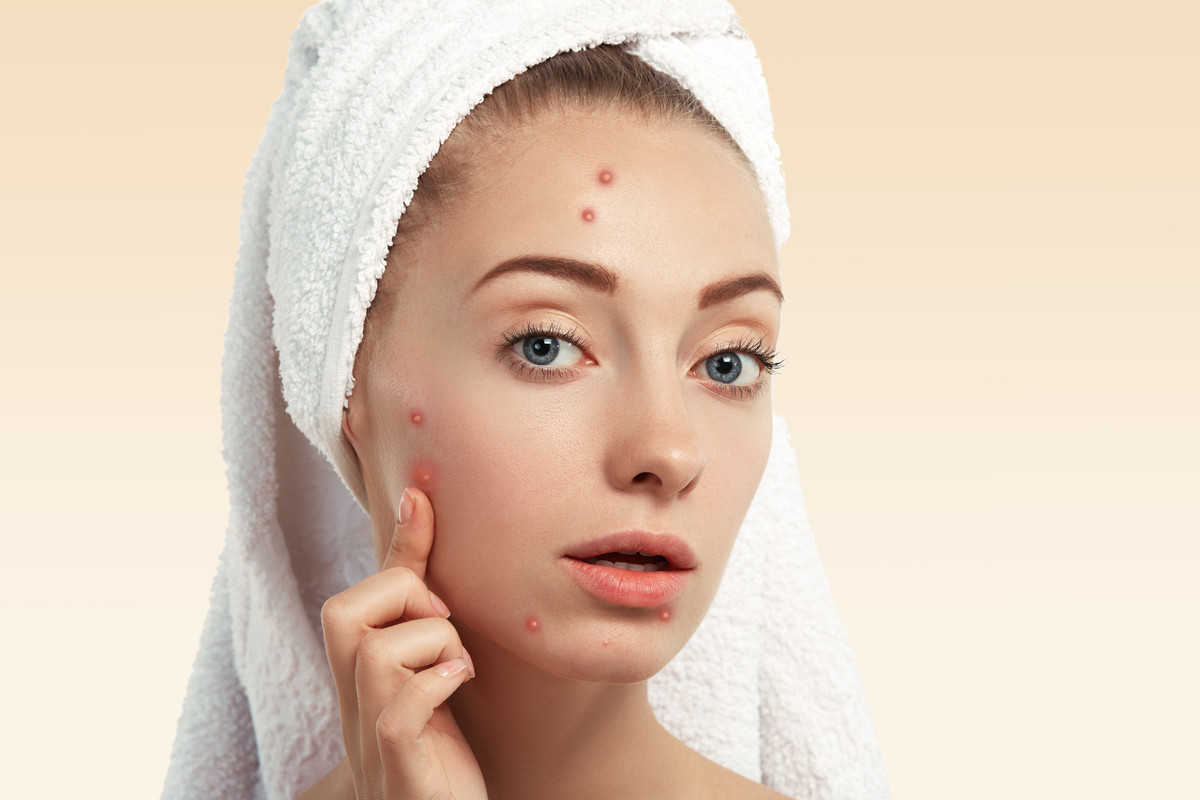
With the rise of social media and selfies, looking good has become a priority for many. Unfortunately, one of the most common problems people face is acne, which can be both embarrassing and difficult to get rid of. But understanding what causes it and what kind of treatments are available can help you tackle it head-on. In this blog post, we'll discuss everything you need to know about acne - from its types and causes to home remedies that can help you clear your skin.
Introduction to Acne:
Acne is a skin condition that affects millions of people around the world. It is characterized by the presence of pimples, blackheads, whiteheads, and other blemishes on the skin. Acne can occur on the face, neck, chest, back, shoulders, and buttocks. Although it is most commonly seen in teenagers, it can affect people of all ages.
There are several different types of acne, including blackheads, whiteheads, papules, pustules, nodules, and cysts. Acne is caused by a combination of factors, including hormones, genetics, diet, and skincare routine. There are several home remedies that can help to treat acne, If you don't feel any difference there are some products out there which can help clear up the skin.
The one which I personally used left quite satisfactory results, You can check it out HERE: CLICK HERE
Types of Acne:
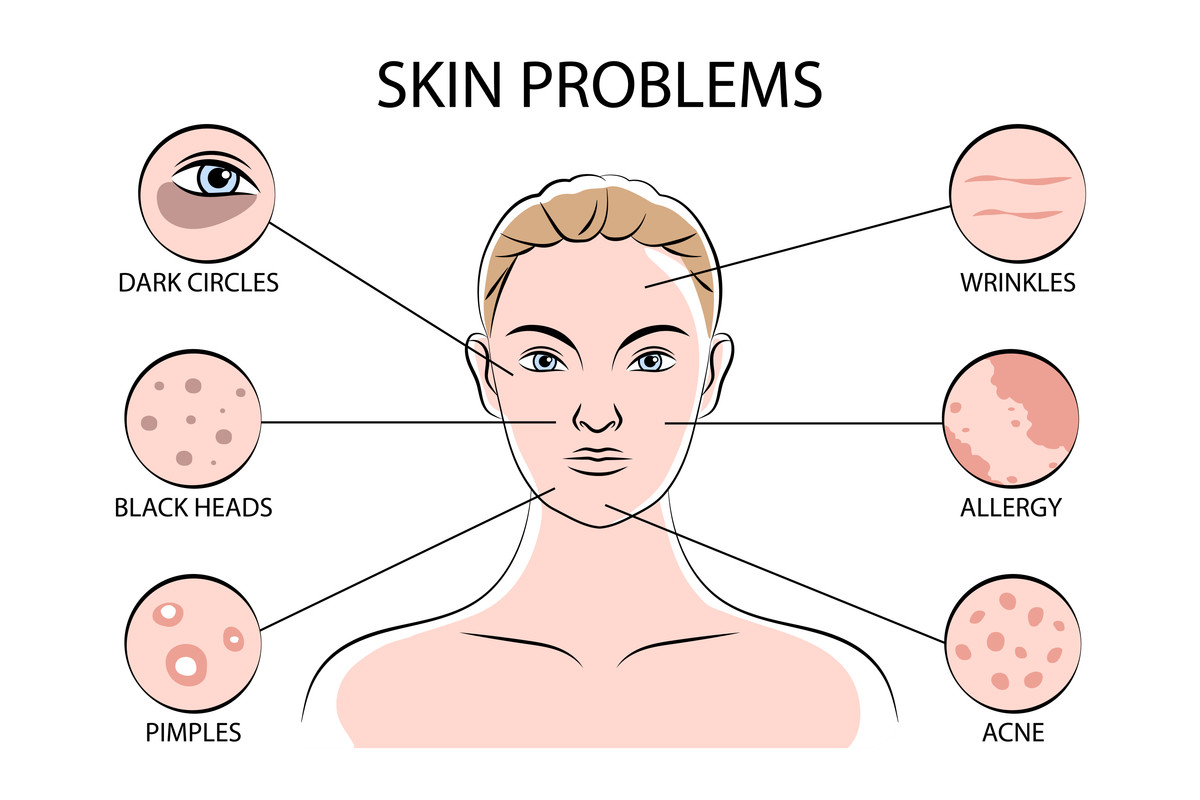
There are four main types of acne: blackheads, whiteheads, papules, and pustules.
Blackheads are small bumps that appear on the skin when a clogged hair follicle becomes filled with oil and dead skin cells. They are usually dark in color due to the oxidization that occurs when they are exposed to air.
Whiteheads are also small bumps that appear on the skin when a clogged hair follicle becomes filled with oil and dead skin cells. Unlike blackheads, they are typically white or flesh-colored because they have not been exposed to air.
Papules are small, red, inflamed bumps that can develop when hair follicles become blocked. Pus may or may not be present in papules.
Pustules are similar to papules but contain pus. They often have a white or yellow head surrounded by redness.
Causes of Acne:
There are many different causes of acne, but the most common cause is a build-up of oil and dead skin cells in the pores. Other causes include hormones, certain medications, and genetics.
Acne is most commonly seen in teenagers and young adults, but it can occur at any age. The hormone changes that occur during puberty are one of the main reasons why acne is so common in teenagers. Hormone changes can also be a cause of acne in adults.
Certain medications, such as corticosteroids, lithium, and some antibiotics, can also cause acne. And finally, genetics can play a role in who gets acne and how severe it is.
Treatment Options for Acne:
There are a number of different treatment options available for acne, and the best course of action will vary depending on the severity of your acne and your individual skin type. For mild acne, over-the-counter topical treatments containing benzoyl peroxide or salicylic acid can be effective. For more severe acne, you may need to see a dermatologist for prescription medication. The most common prescription medications used to treat acne are oral antibiotics, isotretinoin (also known as Accutane), and birth control pills.
If you have mild acne, you can try treating it at home with over-the-counter topical treatments that contain Benzoyl peroxide or salicylic acid. These products are available without a prescription and can be found at most drugstores. Benzoyl peroxide works by killing the bacteria that cause acne, while salicylic acid helps to shed dead skin cells and unclog pores. Start with a small amount of product and apply it to clean skin once or twice a day. If you experience dryness, irritation, or excessive redness, stop using the product and consult a dermatologist.
For more severe acne, you may need to see a dermatologist for prescription medication. The most common prescription medications used to treat acne are oral antibiotics, isotretinoin (also known as Accutane), and birth control pills. Oral antibiotics work by killing the bacteria that cause acne and reducing inflammation. Isotretinoin
Home Remedies for Acne:
There are a number of home remedies you can try to get rid of acne. However, it is important to note that not all home remedies work for everyone. What may work for one person may not work for another. It is important to experiment with different home remedies to find the one that works best for you.
One popular home remedy for acne is using lemon juice. Lemon juice contains citric acid, which has been shown to be effective in treating acne. To use this remedy, simply apply fresh lemon juice to the affected area and allow it to sit for 10-15 minutes. Rinse the area with warm water and pat dry.
Another popular home remedy for acne is honey. Honey contains antibacterial properties that can help kill the bacteria that cause acne. To use this remedy, simply apply honey to the affected area and allow it to sit for 10-15 minutes. Rinse the area with warm water and pat dry.
If you are looking for a more natural option, you may want to try tea tree oil. Tea tree oil is an essential oil that has been shown to be effective in treating acne. To use this remedy, simply apply a few drops of tea tree oil to a cotton ball and apply it to the affected area. Allow it to sit for 10-15 minutes before rinsing off with warm water.
What Not To Do When Treating Acne:
Acne is a common skin condition that can be treated at home using various remedies. However, there are certain things that you should not do when treating acne. Here are some of them:
- Do not pick or squeeze the pimples. This will only aggravate the condition and lead to further breakouts.
- Do not use harsh soaps or cleansers on the affected area. These can strip away the natural oils from your skin, making it more prone to breakouts.
- Do not scrub the skin harshly. This will only irritate the already inflamed skin and make the acne worse.
- Do not expose the skin to sunlight or other sources of heat as this can worsen the condition.
Prevention and Tips for Avoiding Acne Breakouts:
Acne is a common skin condition that can cause several types of blemishes, including blackheads, whiteheads, papules, pustules, cysts, and nodules. Acne breakouts can happen at any age, but they are most common during puberty. There are many things that can contribute to acne breakouts, including hormones, certain medications, diet, cosmetics, and stress.
There are several things you can do to help prevent acne breakouts or keep them from getting worse. Here are some tips:
-Wash your face twice a day with a mild cleanser. Avoid scrubbing or using harsh chemicals.
-Don’t pick or squeeze your pimples. This can cause them to become infected or leave scars.
-Keep your hair clean and off your face. Oils from your hair can clog pores and make acne worse.
-Shower after working out or sweating to remove sweat and bacteria from your skin.
-Choose makeup and skincare products that are non-comedogenic (won’t clog pores). Look for “oil free” or “non-acnegenic” on the label.
Conclusion:
Acne is an incredibly common skin condition and can have a huge impact on our lives. Understanding the different types of acne, what causes it, and how to treat it effectively are all important steps in managing your own breakouts. This article has provided you with all the information you need to know about acne from its various forms to home remedies that may help clear up your skin. With the right knowledge and treatments, you can get back on track towards clearer skin for good!
Types of acne, what causes it, and how to treat it effectively are all important steps in managing your own breakouts. This article has provided you with all the information you need to know about acne from its various forms to home remedies that may help clear up your skin. With the right knowledge and treatments, you can get back on track towards clearer skin for good!


0 Comments