
Healthy Glowing Skin
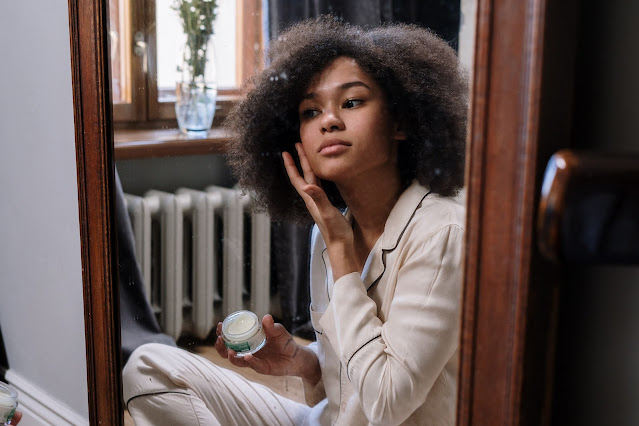
Glowing skin can be achieved through a combination of proper skincare, a healthy diet, and a consistent sleep schedule. It is important to cleanse, exfoliate, and moisturize your skin regularly, as well as protect it from the sun with sunscreen. Eating a diet rich in fruits, vegetables, and antioxidants can also help in improving the appearance of your skin. Drinking enough water and getting enough sleep can also contribute to a healthy, Glowing Complexion.
Here are some things that can help improve the appearance of your skin and give it a healthy glow:
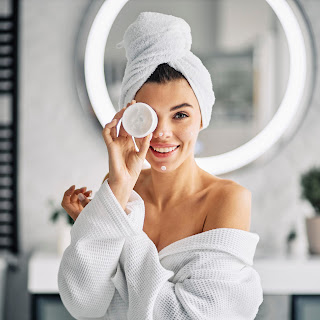
Proper skincare routine: Cleanse, exfoliate, and moisturize your skin regularly. Use products that are natural and appropriate for your skin type.
Sun protection: Apply sunscreen with at least SPF 30 to protect your skin from harmful UV rays.
Healthy diet: Eat a diet rich in fruits, vegetables, and antioxidants. These foods can help nourish your skin from the inside out.
Hydration: Drink plenty of water to keep your body & skin hydrated.
Sleep: Get enough sleep to allow your skin to repair and rejuvenate itself.
Stress Management: Stress can cause your skin to break out and look dull, so it is important to find ways to manage and reduce stress in your life.
Exercise: Physical activity can also help improve blood flow, bringing oxygen and nutrients in your body for a Healthy Glowing Skin.
Quit smoking and limit alcohol consumption, as these habits dehydrate the skin, damage Kidneys and blood vessels, which may lead you to a dull complexion.
Here are a few things to avoid which can damage your skin:
Sun exposure: UV rays from the sun can cause sunburn, dark spots, wrinkles, on your skin and increase the risk of skin cancer.
Smoking: Smoking can cause wrinkles, dull skin, and dark spots.
Pollution: Exposure to pollution can cause inflammation and damage to the skin's barrier, which may eventually lead to dryness & irritation on skin and premature aging.
Diet: Consuming a diet high in processed foods and sugar can lead to inflammation and damage to the skin.
Lack of sleep: Not getting enough sleep can cause dark circles, puffiness and dull skin.
Stress: Stress can cause inflammation, which may lead to acne, rosacea and eczema.
Over-exfoliating: Over-exfoliating can strip the skin of its natural oils and cause irritation.
It is important to be aware of these factors to protect your skin from being damaged.
Take care.


0 Comments